Genomics Institute Laboratory

Using Genetic Research to Improve the Quality of Life for Children

With 100 years of experience as a leading pediatric healthcare provider, our work in the Genomics Institute continues to advance the way Shriners Children's provides care, making the future of our healthcare system look even more promising.

Located in the University of South Florida Research Park in Tampa, Florida, the Shriners Children’s Genomics Institute was launched in 2017. Led by Founder and Vice President of Research Marc Lalande, Ph.D., and the director of the Shriners Children's Genomics Institute Kamran Shazand, Ph.D., the Institute is working diligently to sequence 5,000 genomes each year, to fulfill our vision of using what we learn about genetics to improve the personalized care we provide and the quality of life for children with conditions treated by our healthcare system.

Improving Treatment Through DNA Sequencing

We are making meaningful strides in bringing next-generation DNA sequencing to more families and patients by expanding access to this advanced technology across our locations. This powerful tool enables earlier and more accurate diagnoses, personalized treatment plans and deeper insights into rare and complex conditions – helping us to better understand and address the unique needs of every child we serve. This initiative is being made possible through the development of a growing team of genomic medicine specialists, including medical geneticists and genetic counselors. As we build this new capability, these specialists will play an increasingly vital role in supporting patients and families – guiding them through the complexities of genetic testing with expertise in education, counseling and care coordination. In addition to enhancing the patient and family experience, this emerging area of expertise will help lay the foundation for future research efforts, enabling us to advance the field of pediatric genetics and improve outcomes for children with complex and rare conditions.

The Shriners Children’s Precision Medicine and Genomics Project

A major initiative of our Genomics Institute is the Shriners Children’s Precision Medicine and Genomics (SPMG) project. The goal of SPMG is to discover breakthroughs and develop innovative ways to treat pediatric conditions, including cerebral palsy, cleft lip and cleft palate, club foot, scoliosis, and other neuromuscular conditions.

In spring 2021, we expanded the SPMG project to include our Mexico City facility. The SPMG is the first Shriners Children's research project at our Mexico City location. Collecting genetic samples from patients and families at this facility, as well as from our outreach clinics around the world, allows us to diversify our research. This sample diversity is important, especially with rare disorders, because analyzing larger amounts of data will help us determine if the unique characteristics we see are disease-specific or population-specific. With this additional information, healthcare organizations around the world will be able to develop more targeted treatment plans for their patients.

Collaborating to Find Cures

Because we see so many patients every year, our research team is in a unique position to be able to collect and analyze large amounts of genetic data related to the conditions we treat. All data analyzed in these studies is de-identified to ensure subjects’ privacy.

With over 10,000 patients with scoliosis and more than 6,700 with cerebral palsy treated annually throughout our system, the amount of genetic information we are able to collect from our own patients with these conditions has the power to transform how we care for these children and other children around the world.

With access to all of this data, we need highly effective tools to help us better understand it. Many of these tools come from our collaborations with industry and academic partners who contribute valuable technology and expertise that enhances our research efforts.

The work our genomics research team is doing with some of these industry partners includes:

  • Focusing on 200 idiopathic scoliosis patients, which allowed us to identify a large number of the genes contributing to this condition and the mechanisms of transmission. These findings will soon be validated in animal models, and results published for the international scientific community. This project is a collaborative effort that includes physicians and experts within the Shriners Children's system, as well as a number of external partners.
  • Identifying the genetic causes of arthrogryposis and finding ways to alleviate the debilitating symptoms, such as muscle contractures and the pain that is associated with these symptoms.
  • Understanding the role genes play in the development of cerebral palsy by collecting and sequencing the genomes of samples from 500 patients and their families. This is the largest comprehensive genetic study of cerebral palsy patients to date.

Learn more about our collaborations and how we’re working together to advance pediatric medicine through genetic and other research initiatives.

A Complex Approach to Genetic Sampling Provides Stronger Outcomes

We collect genetic samples using a method called trio sampling, which involves sequencing genomes from patients as well as their parents. Expanding sample collection to immediate family members provides a clearer picture of the specific genetic factors that contribute to the development of a patient’s condition and helps identify changes in a patient's DNA over time that may be contributing to their condition. The valuable data also helps us develop more precise treatment options and better understand conditions, which could potentially lead to massive breakthroughs in treatment and cures.

If you or someone you know is interested in obtaining additional information related to our Genomics Institute, please contact our research department.

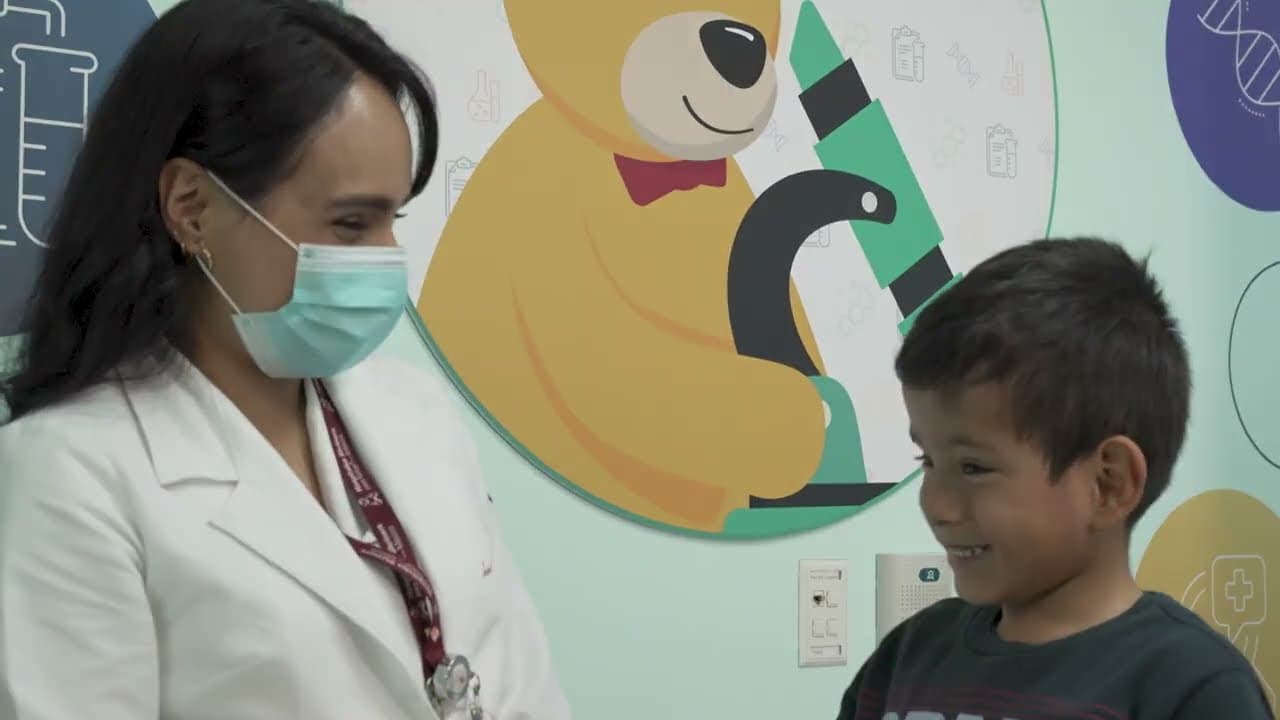
Shriners Children's Genomics Institute

Shriners Children's Genomics Institute

Learn more about the Shriners Children's Genomics Institute, highlighted by the American Society of Human Genetics (ASHG).
View Transcript

Dr. Kamran Shazand, Ph.D., Director, Shriners Children's Genomics Institute:

The vision of the Genomics Institute at Shriners Children's is to build a clinical database of all the children who consent to be part of this project and have these huge database of clinical variants available for our researchers and our physicians for any sort of research on any of the disorders that our physicians see.

Dr. Marc Lalande, Ph.D., Founder and Vice President of Research, Shriners Children's Genomics Institute:

Shriners Children's is a healthcare organization. It has specialty care in orthopedics, cleft lip palate, burns, neuromuscular disorders, and other diseases as well. We have locations all over North America, stretching from Montreal to Mexico City, as well as outreach clinics going from Cyprus through Central America and other locations as well. Because of our reach that diversity is built in to the samples we collect from the patients we treat at Shriners Children's.

Dr. Kamran Shazand, Ph.D.:

Diversity is a key point to respect in genetics. As we all know in the community, the genetics of each ethnic background has slight differences. And as a result, even mutations that are associated with disorders can be different from one ethnic background to another. By getting the highest level of diversity in our research project, we are hoping to have access to an international level of genetic information so that we can find those different variants for a given disorder in different populations in the world.

Dr. Marc Lalande, Ph.D.:

Genomics is revolutionizing healthcare because it's giving us information that we didn't have previously. The technologies built over the last 10, 15 years have moved us from looking at a rare disorder with a single gene defect to now how do we use genetic information from the whole genome, which is 3 billion base pairs of DNA, in disorders that are more complicated?

Innovation is critically important. We have to innovate to help our kids. And given the diseases our kids have, rare diseases, other more common ones like scoliosis and cerebral palsy, I think genetic information will become critical in not only diagnosis, but also in treatment down the road.

Dr. Kamran Shazand, Ph.D.:

We are a team of six people here. We're all PhD level researchers with various expertise that compliment each other. And at our network of hospitals and clinics that we have at Shriners, all our physicians are world renowned experts in their respective fields.

Dr. Marc Lalande, Ph.D.:

We are very fortunate to have cutting edge technology. Our new NovaSeq sequencer, we can sequence 160 whole genomes in two days. And because we have thousands of samples to sequence, that allows us to go faster, get the results more quickly. We also have bioinformatics capabilities, which are key to genetics in interpreting the data coming out. This technology is allowing us to make discoveries that are going to change the lives of the kids we treat.

Dr. Thania Ordaz, M.D., Shriners Children's Mexico:

Shriners Mexico is unique because of its population. Most of our patients have a complex disease. The interesting thing is to study this genetic basis with the whole genome sequencing and also to understand the same disease, but in other patient. It is important to have sequencing the parents because when we have trio samples, it's easier for sequencing methodology to identify some of the variants that are disease-causing mutations.

Dr. Noemi Dahan-Oliel, Ph.D., OT, Clinician Scientist, Shriners Children's Canada:

Arthrogryposis or arthrogryposis multiplex congenital is really a term that means being born with contractures to the joints in multiple different body areas. It is a set of rare conditions because it occurs in one in 3,000 to one in 5,200 life births. However, at the Shriners across our different hospitals in the network, we've served a population of over 3,000 children.

In order to understand more in arthrogryposis, we've started a registry that was funded from the Shriners Children. And we're so proud of this work because it includes hospitals across North America and most recently in Mexico.

Following patient consent, we have the collection of saliva and those are shipped to the Genomics Institute in Tampa for sequencing. And then our own bioinformatic expert here does the analysis and then we can share those research findings with the families.

Amé Hutchinson, Mom (also with distal AMC) of two youths with arthrogryposis:

My own experience growing up, they always said to me that it was not hereditary. But now I know that that is the case. We have since participated in these research projects and have identified the gene in myself and my children. The more research they do, the more information we have, the better armed they are to help families.

Dr. Marc Lalande, Ph.D.:

In the four years since we built this genomics institute from basically the ground up, we've made important discoveries already that have been published and are moving towards helping our kids with disorders such as cerebral palsy and scoliosis.

Dr. Jon R. Davids, M.D., Assistant Chief of Orthopedics, Shriners Children's Northern California:

If you had asked me 10 years ago whether there would be a role for genetic analysis for children with cerebral palsy, I would've said no, but I would've been wrong. Up to a third of the children who we see with the diagnosis of cerebral palsy actually have some type of genetic abnormality. I would anticipate in the future that these data will help us with clinical decision-making, guiding our interventions and improving our outcomes.

Dr. Kamran Shazand, Ph.D.:

With the help of the best technologies right now on the genomics market and the best expertise, we should be able to discover quickly the genetic background for the majority, if not all of these pediatric disorders. And the hope is to use this data with the help of gene editing technologies that are being developed right now. In parallel, we can start doing some gene editing and correct those mutations and give a better health to our patients.

[Shriners Children's logo]

Basic Genetics for Children

Basic Genetics for Children

Understand genetics and genetic testing with whole genome sequencing to better understand you and your health, and to help others understand how genetics may be impacting their health as well.
View Transcript

[INTRO SLIDE]

INTRO TO GENETICS for kids. Mikayla Jennings, MS, CGC. Presented by [Shriners Children's logo, Greenwood Genetic Center logo]

Hi, my name is Mikayla Jennings and I’m a clinical genetic counselor at the Greenwood Genetic Center. I’m here to talk to you today about genetics and how genetic testing can give us important information about your health.

So, what do we mean when we talk about genetics? Your body is made up of cells. Every cell in your body has genetic information called DNA. You can think of your DNA as a special set of instructions that tells your body how to grow, develop and function. These instructions contain everything that makes you who you are: from your eye color, to your hair color, to even what health problems you may have. Our genetic information is passed down from our parents to us. This is how we inherit traits like eye color or hair color from our parents.

The DNA or instructions are like a recipe book. Within the recipe book, you will find what we call genes. We can think of genes as the sentences of the book, or the actual recipes that tell our body how to function. Many of these genes play important roles in keeping us healthy. It is important that the instructions are written clearly in a way that the body can understand.

Your doctor would like to order genetic testing for you to possibly identify a cause or explanation for your medical history. Genetic tests read the sentences of the recipe book to detect specific types of genetic changes that can give us important information about your health. Different types of genetic tests look for different types of genetic changes. Whole Genome Sequencing is a specific type of test that looks for spelling errors in the words that make up the sentences in our recipe book. This test also looks for small missing or extra pieces of the recipe book, like extra or missing sentences. This test looks for these types of changes, so we can understand how your genetics might be impacting how your body functions.

We all have changes in our DNA that make us who we are. This specific test is looking for any changes that might impact your health. This could give us information about the cause of a symptom you have, or it could tell us about other health concerns to look out for in the future.

There are three types of results we can get back from the genetic test. The first is a positive result, which means that we found a genetic change in your recipe book that either explains your symptoms or is likely to impact your health in some way.

We can also get a negative result. This means the lab looked through your recipe book and didn’t find any changes that we think are causing problems. If your test is normal but your doctor suspects there is something more to be learned, they may want to order a different type of genetic test.

Finally, this test can identify uncertain results. This means that the lab found a change in your recipe book, but we don’t know if this is an explanation for your medical history, or not, as we all have changes in our recipe book that make us who we are.

The results of this test may help your doctor to better treat your medical conditions and provide important information about your health.

We hope this helped you learn a little more about genetics and genetic testing with whole genome sequencing. Ultimately, our goal with this testing is to better understand you and your health and to help others understand how genetics may be impacting their health as well. We appreciate you taking the time to learn more and encourage you to ask your doctor at Shriners Children’s Hospital if you have any questions.

[SLIDE 7]

Brought to you in partnership by [Shriners Children's logo] [Greenwood Genetic Center logo]

Basic Genetics for Adults

Basic Genetics for Adults

Understand genetics and genetic testing with whole genome sequencing to better understand you and your health, and to help others understand how genetics may be impacting their health as well.
View Transcript

[INTRO SLIDE]

INTRO TO GENETICS. Helping you understand the science behind your child's care. Mikayla Jennings, MS, CGC. Presented by [Shriners Children's logo, Greenwood Genetic Center logo]

Mikayla Jennings, Genetic Counselor: Hi, my name is Mikayla Jennings and I’m a clinical genetic counselor at the Greenwood Genetic Center. I’m here to talk to you today about genetics and how genetic testing can give us important information about your health.

So, what do we mean when we talk about genetics?

[SLIDE 1]

Chromosome to Gene to Protein
A simplified scientific diagram showing how biological information flows from a cell → chromosomes → genes → DNA → proteins.

  • On the left is a yellow illustration of a cell, with a nucleus shown as a circular structure containing scribble‑like blue lines representing DNA.
  • Next to the cell is a pair of blue chromosomes, each drawn as an X‑shaped structure with banding patterns. A label states that each chromosome is a long, continuous DNA molecule.
  • Moving right, a zoom‑in of a DNA double helix shows its twisting structure with colored nucleotide pairs that encode a protein product.
  • Beneath the DNA are labels for the four nucleotides:
    • Adenine
    • Thymine
    • Guanine
    • Cytosine
  • Further to the right, a chain of blue spheres represents a protein molecule.
  • Text explains that genes are DNA segments that encode proteins, and proteins are organic compounds made of amino acids.

Mikayla: Every cell in your body has genetic information called DNA. We refer to the collection of all of our DNA as our genome. You can think about the genome as a recipe book that tells the body how to grow, develop and function. That recipe book contains everything that makes you who you are: from your eye color, to your hair color, to even what health problems you might be at risk for.

This genomic recipe book is split up into chapters, which we call chromosomes.

[SLIDE 2]

Idiogram Karyotype

A grid‑like arrangement of chromosome pairs numbered 1–22 plus X and Y, shown in black‑and‑white banding typical of a karyotype.

  • Chromosomes are arranged in 23 pairs, each pair having two vertically oriented, striped chromosomes.
  • Pairs 1–22 appear in rows from left to right, largest to smallest.
  • The final pair is labeled X and Y.
  • Footer references “Cytogenetics.”

Mikayla: Typically, individuals have 46 chromosomes, which come in pairs. Our chromosomes are in pairs because we typically get one copy of each chromosome from the egg cell, and one copy of each chromosome from the sperm cell.

Within each of these chromosomes, or chapters of our genomic recipe book, you will find what we call genes.

[SLIDE 3]

Types of Gene Mutations
A visual metaphor comparing chromosomes and genes to chapters and sentences in a book, followed by examples of different mutation types using simple sentences.

  • A closed blue book represents chromosomes.
  • An open book represents genes.
  • To the right, the word "RED" becomes sample sentences such as “THE CAR WAS RED,” demonstrating how mutations can change meaning.
  • Below are four categories:
    • Missense mutations: “THE CAR WAS RED.” → “THE CAR WAS HAT.” or “THE CAR WAS RDD.”
    • Nonsense mutations: “THE CAR WAS RED.” → “THE CAR...” (sentence cuts short).
    • Insertion mutations: Adding a letter or word, e.g., “THE CAR WAS RED.” → “THE CAR WAS RED RED.”
    • Deletion mutations: Removing letters, e.g., “THE CAR WAS RED.” → “THE ___ WAS RED” or “THE _AR WAS RED.”

Mikayla: We can think of genes as the sentences of this book, or the actual recipes that tell our body how to function. There are over 20,000 genes in the human genome, each code for proteins with a specific job. Many of these genes play important roles in keeping us healthy. Like a sentence, our genes are made up of a string of letters – in this case, those are letters of DNA. DNA uses only 4 letters: As, Ts, Cs, and Gs.

Genetic testing looks for specific types of genetic changes that can give us important information about your health.

[SLIDE 4]

Sequencing Methodologies
A comparison of four genetic sequencing approaches, using a book metaphor to show scope.

  • Four side‑by‑side panels, each with a title, sample sentences, and a book illustration.
  • Single gene sequencing:
    • Sample text: “The car was red. The car was rdd.”
    • Description: Looks for errors in one sentence in the book (one gene).
  • Targeted gene panel sequencing:
    • Sample text includes multiple short sentences (car, boat, train).
    • Description: Looks for errors in a specific group of sentences in the book.
  • Exome sequencing:
    • Illustration of an open book.
    • Description: Looks for errors in the most important chapters in the book (all protein‑coding regions).
  • Whole genome sequencing:
    • Illustration of a closed book.
    • Description: Look for errors in every single word in the book (entire genome).

Mikayla: Different types of genetic tests look for different types of genetic changes. Whole Genome Sequencing is a specific type of test that looks for spelling changes – not only in the pieces of genes that code for proteins called exons – but also in the closely surrounding information called introns. These types of changes are known as sequence variants. This test also looks for small, missing or extra pieces of DNA known as deletions and duplications. These types of changes are known as copy number variants. This test looks for these types of variants, so we can understand how your genetics might be impacting how your body functions.

We all have changes in our DNA that make us who we are.

[SLIDE 5]

Secondary Findings
A DNA double helix illustration showing positions of “primary” and “secondary” genetic findings.

  • A long DNA double helix stretches across the image in multicolored base‑pair segments.
  • A square box on the left section highlights a Primary finding, described as:
    • “Genetic change related to patient’s current condition.”
  • Two square boxes on the right section highlight secondary findings, described as:
    • “Medically important genetic changes, but not related to the patient’s current condition.”
  • Below this are examples:
    • Cancer Predisposition
    • Heart Condition
  • Bold text reading: It is up to you whether you would like our lab to report secondary findings.

Mikayla: However, whole genome sequencing is specifically looking for any changes that might impact your health. This could give us information about the cause of a symptom we already know about, or it could tell us about other health concerns to look out for in the future. This test can also report what we call secondary findings, which are changes in genes that increase the risk for things like cancer or heart disease. If you decide to do whole genome sequencing, you can decide if you want to learn about changes in these specific genes. For more information on the option to report secondary findings, please see the video on secondary findings.

There are three types of results that we can get back from genetic testing.

[SLIDE 6]

Potential Results of Genetic Testing
A Venn diagram with three overlapping circles describing possible outcomes of genetic testing.

  • The left circle is blue, labeled “Normal.”
    • Text: “No clinically significant changes identified.”
  • The right circle is red, labeled “Abnormal.”
    • Text: “Disease‑causing change identified.”
  • The overlapping center area is purple, labeled “Variant of Uncertain Significance (VUS).”
    • Text: “Change identified but significance is unknown.”
  • Title at the top: “Potential Results of Genetic Testing.”

Mikayla: The first is a positive result, which means that we found a genetic change that either explains existing symptoms or is likely to impact your health in another way. It’s important to keep in mind that whole genome sequencing can sometimes find results that we weren’t expecting, meaning you could learn about a health problem you didn’t realize you were at risk for.

We can also get a negative result from whole genome sequencing. A negative result from this test is reassuring, but doesn’t rule out all possible genetic causes for symptoms. If your testing is normal but your doctor suspects there is something more to be learned, additional genetic testing may be recommended.

Finally, our testing can identify uncertain results, which we call variants of uncertain significance. This means that whole genome sequencing found a variant in a gene, but we don’t know if this is changing how the gene functions or not. Over time, especially as this testing is done for more people, we learn more about uncertain results and can better understand if these changes are harmful or not.

We hope this helped you learn a little more about genetics and genetic testing with whole genome sequencing. Ultimately, our goal with this testing is to better understand you and your health and to help others understand how genetics may be impacting their health as well. We appreciate you taking the time to learn more and encourage you to reach out to your provider at Shriners Children’s Hospital if you have any questions.

[SLIDE 7]

Brought to you in partnership by [Shriners Children's logo] [Greenwood Genetic Center logo]

Basic Genetic Testing for Clinical Staff

Basic Genetic Testing for Clinical Staff

Learn about how whole genome sequencing, and how it can be used to identify a genetic cause for your patient’s symptoms.
View Transcript

[INTRO SLIDE]

INTRO TO GENETICS. Helping you understand the science behind your patients' care. Mikayla Jennings, MS, CGC. Presented by [Shriners Children's logo, Greenwood Genetic Center logo]

Mikayla Jennings, Genetic Counselor: Hello, my name is Mikayla Jennings, and I am a clinical genetic counselor at the Greenwood Genetic Center. I am here today to provide you with additional information about Whole Genome Sequencing

First let’s review some background genetics concepts.

[SLIDE 1]

Chromosome to Gene to Protein
A simplified scientific diagram showing how biological information flows from a cell → chromosomes → genes → DNA → proteins.

  • On the left is a yellow illustration of a cell, with a nucleus shown as a circular structure containing scribble‑like blue lines representing DNA.
  • Next to the cell is a pair of blue chromosomes, each drawn as an X‑shaped structure with banding patterns. A label states that each chromosome is composed of one large, continuous DNA molecule.
  • Moving right, text: Gene - a gene is a segment of DNA that encodes a protein product.
  • Moving down, a zoom‑in of a DNA double helix shows its twisting structure with colored nucleotide pairs.
  • Beneath the DNA are labels for the four nucleotides:
    • Adenine
    • Thymine
    • Guanine
    • Cytosine
  • Further to the right, a chain of blue spheres represents a protein molecule. Text: Protein - A protein is a complex organic compound composed of hundreds or or thousands of amino acids.

Mikayla: Our genetic information is packaged into chromosomes within each cell. If we stretch out the chromosomes, we can see the DNA, which is made up of four nucleotides: adenine (A), cytosine (C), guanine (G), and thymine (T). The nucleotides make up thousands of individual instructions called genes.

Genes are specific segments of DNA that code for proteins. This is done through the process of transcription and translation. DNA is transcribed into RNA. The RNA sequence is then translated into an amnio acid sequence that becomes the functional protein product.

[SLIDE 2]

This image compares a normal DNA and protein sequence to an abnormal sequence caused by a single‑base change.

  • Top portion:
    • Heading: “Normal Sequence.”
    • DNA sequence: ATG AAG TTT GGC GCA TTG CAA.
    • Protein sequence: Met, Lys, Phe, Gly, Ala, Leu, Gln.
    • The codon GCA, which codes for alanine, is circled.
  • A downward red arrow indicates the mutation.
  • Bottom portion:
    • Heading: “Abnormal Sequence.”
    • DNA sequence: ATG AAG TTT GGC CCA TTG CAA.
    • Protein sequence: Met, Lys, Phe, Gly, Pro, Leu, Gln.
    • The changed codon CCA is now highlighted, and the amino acid below appears in green as Pro.

This image illustrates a missense mutation, where one DNA base change leads to substitution of one amino acid for another in the resulting protein.

Mikayla: There are different types of genetic changes or variants that can impact a gene, leading to an abnormal or non-functioning protein. A missense variant occurs when a nucleotide change results in the replacement of an amnio acid with another in the protein. This amnio acid change may alter the function of the protein.

[SLIDE 3]

This image compares a normal DNA sequence and the protein it codes for to an abnormal sequence resulting from a deletion.

  • Top portion:
    • Heading: “Normal Sequence.”
    • DNA sequence: ATG, AAA, TTT, AAG, GCA, TTG, CAA.
    • The codon AAG has a red “X” over it, indicating deletion of a base.
    • Protein sequence: Met, Lys, Phe, Lys, Ala, Leu, Gln.
  • A downward red arrow points to the mutated sequence.
  • Bottom portion:
    • Heading: “Abnormal Sequence.”
    • DNA sequence: ATG, AAG, TTT, TAG, GCA, TTG, CAA.
    • Protein sequence: Met, Lys, Phe.
    • A red stop sign icon marks the premature stop codon.

At the bottom, text states: “Stop Codons = TAG, TGA, TAA.”

This image illustrates a nonsense mutation, in which deletion of a base alters all subsequent codons, leading to incorrect amino acids and often an early stop codon.

Mikayla: A nonsense variant occurs when a nucleotide change results in a premature stop codon. This stops the gene instructions early and results in a truncated or shortened protein.

[SLIDE 4]

The image shows a comparison between a normal DNA sequence and an abnormal DNA sequence, with each sequence paired to the amino acids it codes for in a protein.

  • At the top, the heading reads “Normal Sequence.”
    • The normal DNA sequence shown is: ATG, AAG, TTT, GGC, GCA, TTG, AAA. There is a red "X" through the "G" in "AAG."
    • Beneath the DNA sequence is a row labeled Protein, displaying the corresponding amino acids: Met, Lys, Phe, Gly, Ala, Leu, Lys.
    • The codon AAG in the normal sequence is circled, and a downward red arrow indicates a mutation.
  • Below this:
    • The heading reads “Abnormal Sequence.”
    • The abnormal DNA sequence is: ATG, AAT, TTG, GCG, CAT, TGA, AA.
    • The protein line shows the sequence: Met, Lys, Phe (in faded green text: Leu, Ala, His) then a red STOP sign, indicating translation ends prematurely.

This image illustrates a frameshift mutation, where a normal codon changes into a stop codon, halting protein synthesis early.

Mikayla: An insertion or deletion, also called frameshift variants, occur when one or more nucleotides are inserted or deleted from the gene sequence. This can cause the reading frame of the gene sequence to be altered. This may result in a different sequence of amino acids and an abnormal protein product.

[SLIDE 5]

Sequencing Methodologies
A comparison of four genetic sequencing approaches, using a book metaphor to show scope.

  • Four side‑by‑side panels, each with a title, sample sentences, and a book illustration in the two right panels.

Single gene sequencing:

  • Sample text: “The car was red. The car was rdd.”
  • Description: Look for errors in a single sentence in the book.

Targeted gene panel sequencing:

  • Sample text includes multiple short sentences (car, boat, train).
  • Description: Look for errors in a specific group of sentences in the book.

Exome sequencing:

  • Illustration of an open book.
  • Description: Look for errors in the most important “chapters” in the book (all protein‑coding regions).

Whole Genome sequencing:

  • Illustration of a closed book.
  • Description: Look for errors in every single word in the book.

Mikayla: Whole Genome Sequencing is a specific type of test that looks for spelling/nucleotide changes not only in the pieces of genes that code for proteins called exons, but also in the closely surrounding information called introns. These types of changes are known as sequence variants. This test also looks for small, missing or extra pieces of DNA known as deletions and duplications. These types of changes are known as copy number variants.

[SLIDE 6]

This image is a diagram comparing the location of nuclear DNA and mitochondrial DNA inside a cell.

  • On the left is a large, rounded cell with a labeled nucleus at its center.
  • Inside the nucleus are several blue chromosome‑shaped structures, labeled “Chromosomes (Nuclear DNA).”
  • The outer area of the cell contains several purple, bean‑shaped structures labeled “Mitochondria.”
  • On the right side, the mitochondria are enlarged for detail.
    • Inside the enlarged mitochondria, small loops of genetic material are labeled “Mitochondrial DNA.”
  • Text in the bottom left corner reads “It is up to you whether you would like our lab to report mitochondrial DNA findings.”

This image visually contrasts where DNA is located in a cell: chromosomes in the nucleus versus circular mitochondrial DNA inside mitochondria.

Mikayla: Whole genome sequencing includes the genetic information found in the nuclear genome, but it can also include the mitochondrial genome. This can be included to identify a mitochondrial condition. These conditions can cause a wide range of symptoms, and many body systems can be affected. It is up to you and your patient whether or not you want to include the mitochondrial information with the whole genome sequencing test.

[SLIDE 7]

Secondary Findings
A DNA double helix illustration showing positions of “primary” and “secondary” genetic findings.

  • A long DNA double helix stretches across the image in multicolored base‑pair segments.
  • A square box on the left section highlights a primary finding, described as:
    • “Genetic change related to patient’s current condition.”
  • A square box on the right section highlights a secondary finding, described as:
    • “Medically important genetic changes, but not related to the patient’s current condition.”
  • Below this are examples:
    • Cancer predisposition
    • Heart conditions
  • Text in the bottom left corner reads “It is up to you whether you would like our lab to report secondary findings.”

Mikayla: Whole genome sequencing is a genetic test that can be used to identify a genetic cause for your patient’s symptoms. This test is phenotypically driven, so it is important to include all of the clinical features of your patient when ordering this test. This allows the lab to filter through the genetic data in an informative way. The intention is not to report on all genetic changes an individual has, but rather those that are relevant to your patient’s medical history. This test can also report on what we call secondary findings, which are changes in genes that increase the risk for things like cancer or cardiovascular disease. You will want to discuss with your patient whether or not they would like to include secondary findings. For more information on the option to report secondary findings, please have your patient watch the video on secondary findings.

In addition to your patient’s sample, parental samples can also be included with this test. This testing can be performed as a singleton (with just your patient’s sample), a duo (your patient’s sample and one parent), or as a trio (your patient’s sample and both parents). Parent samples are used for the interpretation of your patient’s results. Parents do not receive their own test reports. If a variant is reported in your patient and parental samples are included, the lab will report on the inheritance of that variant.

[SLIDE 8]

Potential Results of Genetic Testing
A Venn diagram with three overlapping circles describing possible outcomes of genetic testing.

  • The left circle is blue, labeled “Normal.”
    • Text: “No clinically significant changes identified.”
  • The right circle is red, labeled “Abnormal.”
    • Text: “Disease‑causing change identified.”
  • The overlapping center area is purple, labeled “Variant of Uncertain Significance (VUS).”
    • Text: “Change identified but significance is unknown.”

Mikayla: There are three types of results we can get back from genetic testing. The first is a positive result, which means that we found a genetic change that either explains existing symptoms or is likely to impact your patient’s health in another way.

We can also get a negative result from whole genome sequencing. A negative result from this test is reassuring but doesn’t rule out all possible genetic causes for symptoms.

Finally, this testing can identify uncertain results, which we call variants of uncertain significance. This means that the whole genome sequencing found a variant in a gene, but we don’t know if this is changing how the gene functions or not. Over time, especially as this testing is done for more people, we learn more about uncertain results and can better understand if these changes are harmful or not. These changes can be upgraded to pathogenic or downgraded to benign or normal.

Please keep in mind that in genetics we are learning new information over time. Your patient’s genetic information can be reanalyzed at your request in the future or the laboratory may contact you with updated information.

The intention of this testing is to identify the cause for a patient’s concerns. However, we can sometimes uncover unexpected or incidental information that can impact the patient and their family members. For example, the testing may reveal that a patient may develop additional health problems in the future. If parent samples are included, it may reveal that a patient’s parent has the same genetic condition as their child. The testing may reveal consanguinity or that the patient’s parents are related to each other, or even that one of the patient’s parents is not their biological parent.

Whole genome sequences does not detect all types of genetic changes, so it is important to consider if additional testing is needed, following a non-diagnostic result. There are also certain changes that are not typically reported, including carrier status for autosomal recessive genetic conditions, changes that may cause a slight increased risk for common and easily diagnosable conditions such as diabetes and hypertension, changes that can give information about drug metabolism (pharmacogenetics), or variants in genes that cause certain adult onset conditions that cannot be prevented and not related to the patient’s current medical conditions.

We hope this helped you learn more about genetics and genetic testing with whole genome sequencing. Ultimately, our goal with this testing is to identify the cause for a patient’s concerns. If you have additional questions about whole genome sequencing, please contact the laboratory you will be ordering this testing from.

[SLIDE 7]

Brought to you in partnership by [Shriners Children's logo] [Greenwood Genetic Center logo]

Secondary Findings

Secondary Findings

If your provider has recommended whole genome sequencing for your child, they will also ask if you would like to include additional information called secondary findings. This video will provide you with more information about secondary findings in order for you to decide if this is information that you would like to be reported.
View Transcript

[INTRO SLIDE]

SECONDARY FINDINGS. Helping you understand the science behind your patients' care. Mikayla Jennings, MS, CGC. Presented by [Shriners Children's logo, Greenwood Genetic Center logo]

Hello, my name is Mikayla Jennings, and I am a clinical genetic counselor with the Greenwood Genetic Center. If your provider has recommended whole genome sequencing for your child, they will also ask if you would like to include additional information called secondary findings. I am here today to provide you with more information about secondary findings in order for you to decide if this is information that you would like to be reported on the test.

Secondary findings are changes in genes that are not related or not thought to be related to your child’s concerns; however, they may have implications for your child’s health in the future. The American College of Medical Genetics and Genomics (ACMG) recommends that all laboratories performing exome or genome sequencing report pathogenic or harmful variants identified in a specific set of genes. These genes are specifically chosen because they are considered medically actionable or important for your child’s health. For example, some of the genes on the list have been associated with an increased risk for cancer or heart problems. We consider a condition medically actionable if there is something we can do to minimize a risk or catch the condition early, such as taking a preventative medicine or screening at a younger age than the general population. When considering the option to find out about a genetic predisposition to a condition, it is important to be aware of the potential implications.

There is a law called the Genetic Information Nondiscrimination Act (GINA). This law provides federal protection from genetic discrimination in regards to health insurance and employment. GINA prevents health insurance companies from using genetic information when making decisions regarding eligibility or premiums. In addition, this law also protects against genetic discrimination by most employers. GINA does not apply to government employees, members of the military, or to employers with fewer than 15 employees. The other main limitation of GINA is that the law does not cover life insurance, long-term care insurance, or disability insurance. Additionally, GINA does not protect an individual if they already have symptoms of the condition; it only protects an individual that has a genetic predisposition to a condition.

Given this information, it is up to you whether or not you would like the secondary findings to be reported for your child. If you are also providing a sample for the testing, it is important to know if the laboratory will be reporting secondary findings for you and your child or if they are just reporting this information for your child, as this is dependent on the laboratory. Please reach out to your provider at Shriners Children’s Hospital if you have any questions.

[SLIDE 1]

Secondary Findings
A DNA double helix illustration showing positions of “primary” and “secondary” genetic findings.

  • A long DNA double helix stretches across the image in multicolored base‑pair segments.
  • A square box on the left section highlights a primary finding, described as:
    • “Genetic change related to patient’s current condition.”
  • A square box on the right section highlights a secondary finding, described as:
    • “Medically important genetic changes, but not related to the patient’s current condition.”
  • Below this are examples:
    • Cancer predisposition
    • Heart conditions
  • Title: “Secondary Findings.”
  • Language at bottom of slide: It is up to you whether you would like our lab to report secondary findings.

[SLIDE 7]

Brought to you in partnership by [Shriners Children's logo] [Greenwood Genetic Center logo]

6:38
Shriners Children's Genomics Institute
3:36
Basic Genetics for Children
4:46
Basic Genetics for Adults
6:52
Basic Genetic Testing for Clinical Staff
2:56
Secondary Findings

A State-of-the-Art Genetic Research Facility

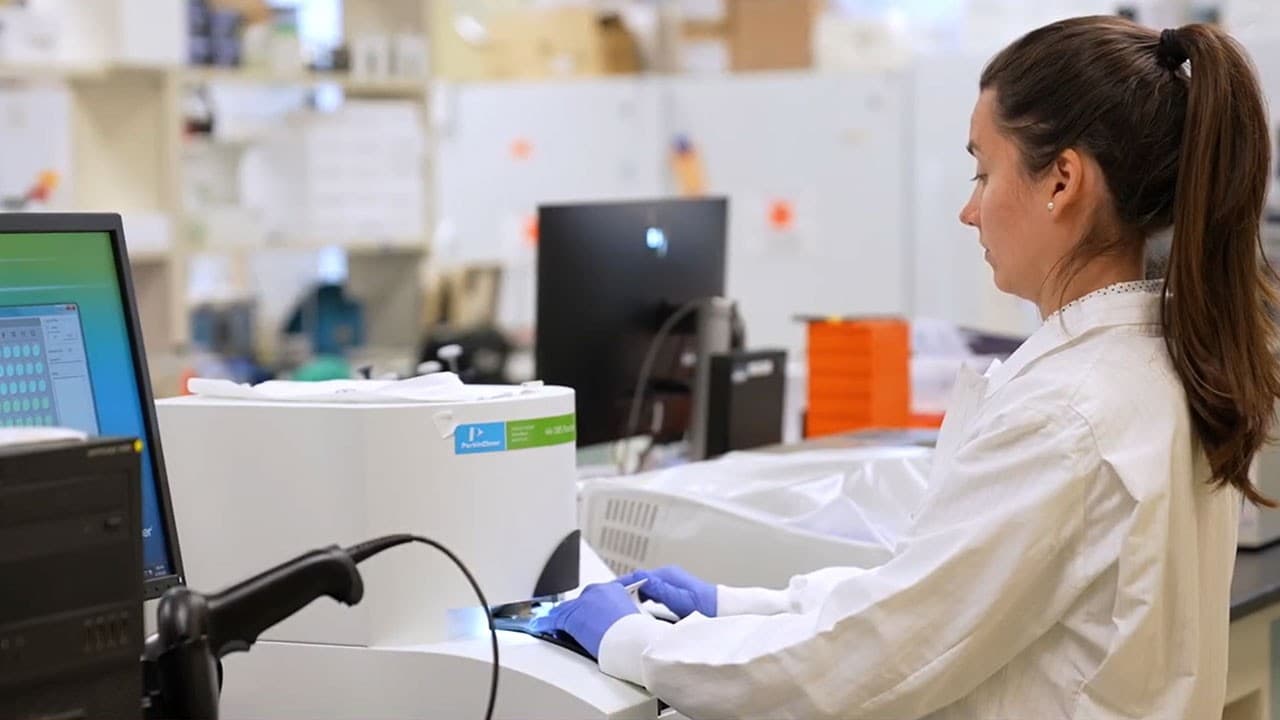
Through our Joint Board’s full and generous support, our Genomics Institute is fully equipped with the pioneering tools we need to perform sequencing of entire genomes and to process and analyze large numbers of data samples.

sequencing machines at the genomics lab
alt

Breakthroughs in Pediatric Research

Support or learn more about the advancements in pediatric research helping transform the way we care for children.