


Prevenir quemaduras
Todos los días, cientos de niños son llevados a las salas de emergencias con lesiones por quemaduras. Conozca cómo puede prevenir lesiones por incendios, escaldaciones, fuentes eléctricas y otros riesgos en el hogar.

Del 1 al 7 de febrero de 2026 es la Semana Nacional de Prevención de Quemaduras, un tiempo reservado cada año para que las organizaciones y los educadores se unan con el fin de compartir un mensaje común de concientización y prevención de quemaduras.
Esta semana también da comienzo nuestra campaña Be Burn Aware, que dura todo el año y se centra en la prevención de lesiones por quemaduras en el hogar, donde ocurren la mayoría de las lesiones por quemaduras prevenibles. Nuestros libros de actividades para niños, información sobre seguridad básica en el hogar para adultos y hojas de consejos están disponibles para descargar o pedir. Los materiales de la página están diseñados para ser un recurso para bomberos, docentes, padres y otras personas interesadas en la seguridad y bienestar de los niños.
Shriners Children's es líder en atención, investigación y educación sobre quemaduras desde la década de los sesenta, y la prevención de lesiones por quemaduras es un componente clave en este trabajo. ¡Trabajemos juntos para PONER FIN las lesiones por quemaduras!
Cuídese... ¡Tome consciencia de las quemaduras!
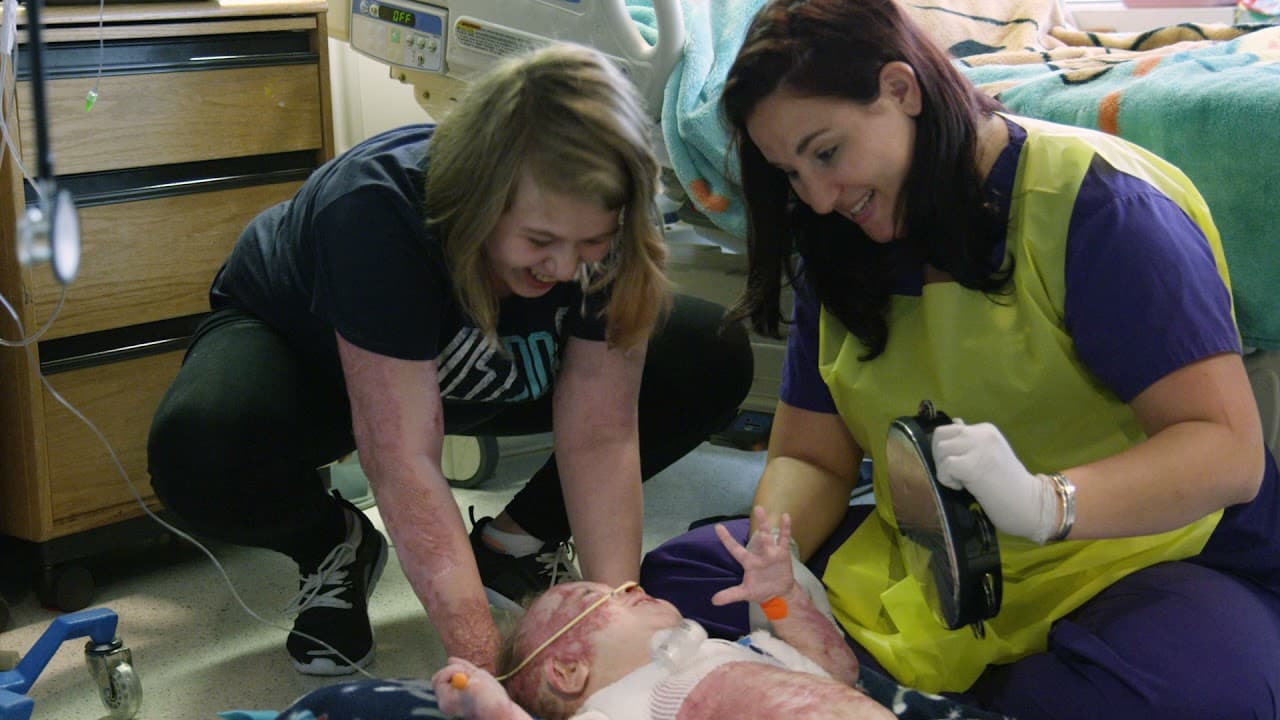
Diviértase mientras aprende sobre prevención de quemaduras con Boots N' Brewster. Nuestros materiales gratuitos sobre prevención de quemaduras incluyen libros de actividades, afiches, tarjetas de datos y hojas de consejos acordes a la edad. Nuestras hojas de consejos se pueden descargar e imprimir. Hay otros materiales disponibles a través del sistema de pedido en línea.
Nuestra hoja de consejos Be Burn Aware ofrece consejos prácticos sobre la prevención de incendios y quemaduras durante las vacaciones y durante todo el año.
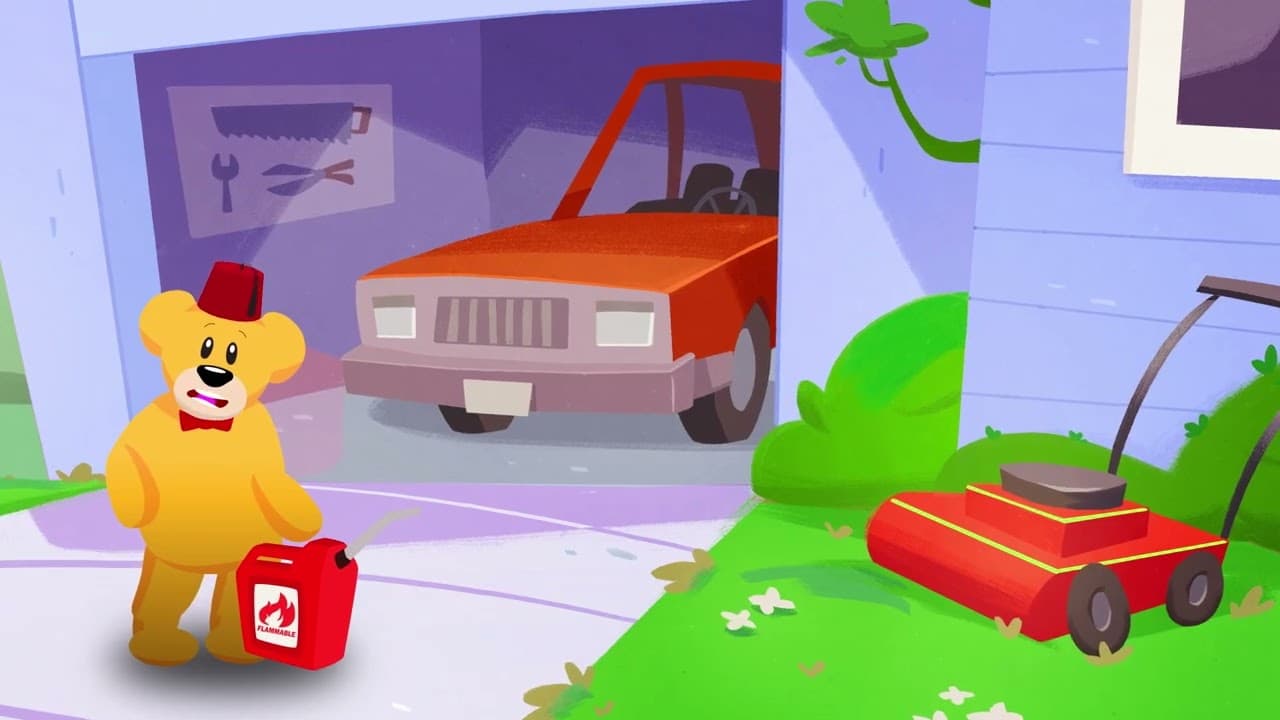
Consulte nuestros materiales aptos para niños, desde libros para colorear y hojas de actividades hasta tarjetas y carteles de seguridad, y explore con Fezzy formas simples de ayudar a mantener a su familia segura, tanto dentro como fuera de su hogar.
Aceptamos pedidos para entregar únicamente dentro de los Estados Unidos, Canadá y México. La entrega puede demorar hasta dos semanas. Si desea obtener más información, comuníquese con los departamentos de marketing y comunicaciones de Shriners Children's por correo electrónico o por teléfono al 813-902-4920.







Todos los días, cientos de niños son llevados a las salas de emergencias con lesiones por quemaduras. Conozca cómo puede prevenir lesiones por incendios, escaldaciones, fuentes eléctricas y otros riesgos en el hogar.

Entre 2014 y 2018, los equipos de iluminación o distribución eléctrica (red de distribución, iluminación, cables y enchufes) estuvieron involucrados en un promedio estimado de aproximadamente 34 000 incendios de estructuras de viviendas reportados por año. Estos incidentes causaron un promedio de 470 víctimas civiles y 1100 heridos.
Recordar algunos consejos de seguridad básicos puede mantenerlo seguro a usted y sus hijos.
Descargue la hoja de consejos Usar la electricidad con seguridad

La mayoría de los incendios domésticos y las víctimas de incendios son el resultado de: cocinar, equipos para calentar y equipo de iluminación y distribución eléctrica, prender fuego intencionalmente y los cigarrillos.
Los incendios y las quemaduras son la tercera causa principal de muertes en hogares, la tercera causa principal de muertes relacionadas con lesiones en niños de entre 1 y 9 años, y la cuarta causa más predominante en niños de entre 10 y 14 años en los Estados Unidos. Muchas más de estas muertes podrían evitarse con tan solo tomar precauciones y seguir algunos consejos de prevención.
Descargue la hoja de consejos Mantenga a los niños a salvo de los incendios

Shriners Children's desea que los niños y familias tomen consciencia de las quemaduras, especialmente en sus casas.
Todos los años, miles de niños sufren lesiones por quemaduras en sus hogares. Muchas de estas lesiones podrían haberse prevenido. Estos son algunos consejos de seguridad para ayudar a mantener a los niños, y a usted, seguros en casa.

Las quemaduras por escaldación (causadas por líquidos, vapor o alimentos calientes) son las lesiones por quemadura más comunes entre los niños de hasta 4 años. Según Safe Kids Worldwide, las lesiones relacionadas con incendios/quemaduras se encuentran entre las 10 principales causas de lesiones accidentales en niños entre 0 a 5 años, y los niños menores de 2 años son los que corren mayor riesgo.
Muchas de estas quemaduras podrían haberse prevenido.
Descargue la hoja de consejos Mantenga a los niños a salvo de las escaldaciones


Únase a nuestra lista de correo para mantenerse actualizado sobre todo lo que sucede en Shriners Children's.

