


Physical and Occupational Therapy Services at Shriners Children's Portland
April Trenaman, OTR/L, y Sally Moeggenberg, MPT, analizan los servicios de terapia disponibles en el Hospital Shriners para Niños de Portland.
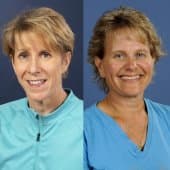
Joey Wahler (anfitrión): Es algo que le sirve a muchos niños, por eso hablaremos de la fisioterapia y la ergoterapia. Nuestras invitadas, Sally Moeggenberg, fisioterapeuta, y April Trenaman, ergoterapeuta, ambas del Hospital Shriners para Niños de Portland.
Esto es Healing Heroes PDX, la serie de pódcasts de los especialistas del Hospital Shriners para Niños de Portland. Gracias por acompañarnos. Soy Joey Wahler. Hola Sally, April. Bienvenidas.
Sally Moeggenberg: Hola.
April Trenaman: Hola.
Presentador: Nos encanta que nos hayan acompañado hoy. Primero que todo, Sally, como fisioterapeuta pediátrica, cuéntenos un poco sobre su especialidad.
Sally Moeggenberg: Bueno, el foco de mi trabajo es fomentar la movilidad en los niños. Por lo general, el niño tiene alguna afección que limita eso. Trato de concentrarme en cuáles son sus principales limitaciones y trabajo en el fortalecimiento y en diferentes formas de entrenamiento, para que el niño sea lo más independiente posible y con la mayor movilidad.
Presentador: Entendido. Así que para usted, lo importante es principalmente el movimiento.Y usted, April, ¿qué me dice de su profesión? En el desarrollo de un niño, ¿qué función cumple la ergoterapia o terapia ocupacional?
April Trenaman: La“ocupación” de la persona incluye aquello que la persona necesita y desea hacer y que se espera que haga, y cualquier cosa que ocupe su tiempo. Entonces, para los niños, incluye desde el cuidado personal o las actividades de la vida diaria (lo que llamamos ADL en inglés), el juego y luego el trabajo, que para ellos es la escuela.
Presentador: ¿Y por qué no nos cuentas nuevamente qué significa ADL, para aquellos que no conocemos la sigla?
April Trenaman: Son actividades de la vida diaria. Incluye vestirse, bañarse, alimentarse o comer, cosas así. Y como ergoterapeuta, ayudo a las personas a participar en las actividades que desean realizar.
Presentador: Entendido. Entonces, para ambas, si quieren volver un poco al pasado, ¿qué tal si nos cuentan un poco sobre su experiencia? ¿Qué fue lo que las llevó en primer lugar a la terapia pediátrica? ¿Usted, Sally?
Sally Moeggenberg: Siempre me sentí atraída por trabajar con los niños. Suelen ser muy positivos y están dispuestos a probar cosas nuevas. Y cuando estudié fisioterapia y comencé a hacer las pasantías, esa era exactamente la dirección que sabía que debía tomar.
Presentador: Y April, ¿qué despertó su interés por este campo?
April Trenaman: Bueno, Sally y yo nos parecemos mucho en eso, en el sentido de que yo siempre supe que iba a hacer algo relacionado con la pediatría, desde muy temprana edad. Y cuando empecé a estudiar ergoterapia, fui a todas las excursiones posibles a Shriners. Este era mi trabajo soñado mientras estaba estudiando.
Presentador: Poder realizar el trabajo de sus sueños es realmente una bendición, ¿no cree?
April Trenaman: Sí. Tuve mucha suerte.
Sally Moeggenberg: April y yo comenzamos a asistir a Shriners como estudiantes.
Presentador: Y entonces, se quedaron y siguieron adelante desde allí, ¿eh?
April Trenaman: Sí.
Presentador: Y parece que ambas sabían lo que querían hacer desde el principio, lo cual es algo que no todo el mundo puede decir. Así que, definitivamente, me quito el sombrero ante ambas de ustedes en ese sentido. ¿Cuáles son las razones más comunes por las que llega un niño o adolescente a la sesión de fisioterapia, Sally?
Sally Moeggenberg: Bueno, con frecuencia se trata de problemas de fuerza o falta de movilidad. Con los niños pequeños, quiero promover la fuerza con juegos y actividades que los desafíen, porque estos niños no hacen ejercicios tradicionales. Así que con ellos la motivación es esencial.
Presentador: Y April, ¿qué afecciones suelen tener los niños que llegan a tu terapia?
April Trenaman: La mayoría de las cosas que observo y en las que los niños tienen limitaciones, nuevamente, las ADL actividades de la vida diaria, poder ser independientes con esas cosas y cuidar de sí mismos. Pero también la motricidad fina, que puedan usar las manos para hacer cosas, porque usamos las manos para todo. Esto incluye los que tienen debilidad en las extremidades superiores y limitaciones en el rango de movimiento. También los ayudamos con las necesidades tecnológicas, por ejemplo, que los niños participen en actividades que utilicen interruptores, tal vez para jugar un juego o para ayudar en aquellas áreas en las que están limitados.
Presentador: Claro. Y Sally, ¿qué pasa con los pacientes con necesidades superpuestas en ambas especialidades? ¿Cómo trabajan juntas ustedes para alcanzar sus objetivos?
Sally Moeggenberg: Bueno, April y yo… Las poblaciones que atendemos son generalmente niños con parálisis cerebral o afecciones neuromusculares, que por lo general son afecciones de por vida. Entonces, nuestras áreas se superponen mucho y trabajamos mucho juntas. Así, con el equilibrio y el aprendizaje de formas alternativas de movilidad, trabajamos en equipo para promover la mayor independencia posible para cada niño.
Presentador: Sí. Estoy seguro de que ese es al final, uno de los objetivos principales aquí, si no el número uno. April, ¿en qué se distingue la experiencia de fisioterapia y ergoterapia pediátrica en el Hospital Shriners para Niños de Portland de las de otras instalaciones? ¿Qué los destaca?
April Trenaman: Bueno, como dijo Sally en la última pregunta, trabajamos juntas en estrecha colaboración y tenemos acceso a un equipo multidisciplinario y atención en un entorno de apoyo. Entonces, no necesariamente creemos que el alcance del trabajo de los demás tenga límites. Trabajamos juntas, y en cosas similares, para que el niño esté bien cuidado. Atendemos al niño en su totalidad, incluso a la familia, para asegurarnos de que se satisfagan las necesidades de todos. Y aquí tenemos un gran sistema que nos permite brindar atención incluso si las familias no pueden costear la atención económica. Atendemos a los niños incluso si no pueden pagar o no tienen seguro.
Presentador: Y entonces, déjame preguntarle sobre ese último punto, porque Shriners ha estado haciendo eso por generaciones, atiendiendo a niños que necesitan ayuda económica y a sus familias. ¿Qué tan liberador es, por así decirlo, saber que en el lugar donde trabaja el dinero no es un problema y que puede brindar simplemente los servicios que sean necesarios?
Sally Moeggenberg: Bueno, sin duda, la generosidad de nuestro sistema nos da mucha más flexibilidad. Somos libres de probar todas las opciones que tengamos disponibles para mejorar la vida de estos niños. Y, como dijo April, podemos trabajar juntos con fisioterapia, ergoterapia, terapia del habla, terapia recreativa. Todas estas terapias son contribuciones importantes a las que muchos lugares no tienen acceso.
April Trenaman: También tenemos acceso directo a nuestros proveedores médicos, nos comunicamos con ellos y nos hacen sus indicaciones cuando las necesitamos. Y hace que las cosas sean mucho más fluidas aquí, además de tener el departamento de POPS en nuestro mismo edificio, el departamento de ortesis y prótesis. Por lo tanto, es un muy completo...
Sally Moeggenberg: Un equipo de atención multidisciplinario muy completo.
Presentador: Definitivamente suena como si fuera un equipo, hay mucha colaboración en todo momento. Sally, usted lleva muchos años en el Hospital Shriners para Niños de Portland, al igual que April. Ambas han visto grandes cambios durante ese tiempo. ¿Cómo diría usted que han evolucionado los servicios allí durante su carrera?
Sally Moeggenberg: Yo diría que seguimos centrados en las necesidades de cada paciente y en una atención centrada en la familia. La atención sanitaria, en general, es cada vez más difícil de abordar. Pero la generosidad de Shriners nos brinda el mejor escenario posible para poder dar respuesta a esas necesidades.
Presentador: Bueno, ya hemos mencionado a la familia en esta conversación. April, para ustedes dos y la gente con la que trabajan, ¿qué tan importante es tratar con los seres queridos del niño, que a menudo están pasando por lo mismo que está pasando su hijo, dando cada paso con él, literal y figuradamente?
April Trenaman: Sí. Es importante incluir a la familia, porque es la familia la que brinda la atención 24 horas al día, 7 días a la semana. Y todo lo que hacemos en las sesiones de tratamiento debe continuar en casa para que el niño mejore, porque tener o dos sesiones de una hora a la semana no va a solucionar las cosas por completo. Hay cosas en las que es necesario seguir trabajando. Es como si tú o yo fuéramos al gimnasio una vez a la semana, cada semana estaríamos empezando de cero porque no hemos desarrollado la fuerza o la resistencia o lo que sea que estemos trabajando, al hacerlo solo una vez a la semana. Entonces las familias son muy importantes en el cuidado de estos niños.
Presentador: Absolutamente. Gran analogía con el gimnasio. Estoy seguro de que muchos de nosotros también podemos identificarnos con eso. Un par de cosas más antes de despedirlas. En resumen, April, entiendo que ha visto y ayudado a muchos niños a prepararse para entrar en la edad adulta, en gran medida con la ayuda de tu terapia. Entonces, ¿le resulta gratificante ver a los niños a los que atiende hacer esa gran transición en la vida?
April Trenaman: Es realmente fantástico verlos hacer la transición hacia sus próximas aventuras, cuando ya no estén en edad de recibir nuestros servicios. Y es agradable estar en contacto con algunos de ellos a través de su continuo crecimiento y verlos conseguir trabajo, tener una familia, y lograr grandes cosas.
Sin embargo, puede ser triste cuando, a medida que crecen, perdemos el contacto con ellos, entonces no sabemos si continuaron mejorando o si las cosas no salieron muy bien por el motivo que sea. Entonces, es emocionante, pero también puede ser un poco desgarrador cuando perdemos el contacto.
Presentador: Sí. Pero parece que a menudo es muy emotivo para las dos, seguro. Y Sally, hablando de eso, ¿podría actualizarnos un poco sobre Scott Hatley, quien hace poco estuvo en este mismo podcast, a quien ambas lo ayudaron en su transición a la universidad? Eso debe haber sido significativo.
Sally Moeggenberg: Sí, Scott es un hombre extraordinario, y fue un adolescente y un joven extraordinario. No creo que hayamos tenido un papel tan importante como pudiera parecer. Nuestro papel fue más bien modesto. Su familia fue fenomenal, en cómo lo prepararon para la universidad. Pero sí fuimos a la Universidad de Portland. Esto fue un momento especialmente emocionante para mí porque yo también estudié ahí. Así que me alegré de que él estudiara ahí. Y antes de que comenzara a estudiar, fuimos a la residencia universitaria con él y echamos un buen vistazo a las habitaciones y la accesibilidad y aconsejamos a la universidad cómo podrían adaptarse a sus necesidades, ya que estaba en silla de ruedas. Simplemente quisimos hacer todo lo posible para que fuera la opción más accesible para él y facilitar su transición a la universidad.
Presentador: . Ya que es su alma mater también, como dijo.
Sally Moeggenberg: Sí. ¡Vamos, Pilots!
Presentador: Yo iba a decir “¡Vamos, Pilots!” Pero me ganó. Es que conozco el apodo de los atletas de Portland. ¿Qué tal eso? ¿Y hay algo de cierto en el rumor, Sally, de que Scott acabó en Portland, porque ahí fue donde usted estudió, como dicen?
Sally Moeggenberg: No creo.
Presentador: Bueno, amigos, confiamos en que ahora conozcan un poco más de la fisioterapia y ergoterapia pediátricas. April, Sally, ¡qué importante es el trabajo que hacen las dos! Sigan esforzándose y muchas gracias de nuevo.
Sally Moeggenberg: Gracias.
April Trenaman: Gracias.
Presentador: Si les ha resultado útil este podcast, compártanlo en sus redes sociales. Soy Joey Wahler. Nuevamente, muchas gracias por ser parte de Healing Heroes PDX, con el Hospital Shriners para Niños de Portland.
Más información sobre los invitados
Abril Trenaman, OTR/L
April Trenaman, OTR/L, es ergoterapeuta y trabaja en el Hospital Shriners para Niños de Portland desde 1993. Obtuvo su título de Ergoterapia de la Universidad Pacific en 1992. April es miembro del equipo multidisciplinario de displasia esquelética. También es miembro desde hace mucho tiempo del programa neuromuscular. April tiene años de experiencia en el tratamiento de pacientes pediátricos con enfermedades neuromusculares complejas y con una variedad de afecciones ortopédicas que necesitan rehabilitación ortopédica, incluidos retrasos en el desarrollo, habilidades motoras finas y actividades de la vida diaria.
Sally Moeggenberg, MPT
Sally Moeggenberg, MPT, es fisioterapeuta del Hospital Shriners para Niños de Portland y ha pasado la mayor parte de su carrera allí. Su carga de pacientes siempre ha estado compuesta por niños con una variedad de afecciones ortopédicas, y gran parte de su atención se ha centrado en niños con parálisis cerebral y trastornos neuromusculares. En colaboración con la Asociación de Distrofia Muscular, Sally ayudó a establecer la clínica neuromuscular en el Hospital Shriners para Niños. Sally promueve y participa en la colaboración multidisciplinaria para una atención óptima. Trabaja con las familias para identificar sus principales preocupaciones y sus objetivos, a fin de establecer un plan de tratamiento específico, y utiliza los recursos dentro del hospital y en la comunidad en general, para apoyar las necesidades de cada niño.

April Trenaman, OTR/L (izquierda) y Sally Moeggenberg, MPT (derecha)


Manténgase en contacto
Únase a nuestra lista de correo para mantenerse actualizado sobre todo lo que sucede en Shriners Children's.
Próximos pasos
Comparta su historia

Donaciones a Shriners Children's

Contáctenos
