


La Dra. Selina Poon, cirujana ortopédica del Hospital Infantil Shriners del Sur de California, revela los últimos avances en el tratamiento del dolor pediátrico.
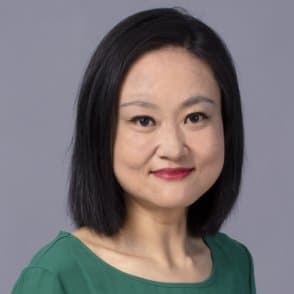
Melanie Cole, MS (Presentadora): Bienvenidos a Pediatric Frontlines de Shriners Children's. Soy Melanie Cole y, según los CDC, la tasa de muertes por sobredosis de opioides entre personas de 15 a 24 años aumentó un 700 % entre 1999 y 2022. Según los Institutos Nacionales de la Salud, los estudiantes de secundaria que consumen opioides recetados de forma legítima tienen un 33 % más de probabilidades de abusar de ellos después de graduarse. Hoy destacamos un nuevo enfoque para el problema del dolor y los últimos avances en el manejo del dolor pediátrico. Me acompaña hoy la Dra. Selina Poon, cirujana ortopédica pediátrica en Shriners Children's del Sur de California.
Dra. Poon, muchas gracias por acompañarnos hoy. Este es un tema excelente sobre el que estamos aprendiendo cada vez más. Dado que el dolor pediátrico a menudo se subestima o se pasa por alto, ¿en qué se diferencia nuestra comprensión de la fisiología del dolor pediátrico de la fisiología del dolor en adultos? ¿Cómo ha evolucionado esto en los últimos años y, lo que es más importante, cómo ha evolucionado más allá del control de los síntomas hacia un modelo verdaderamente centrado en el paciente?Selina Poon, MD, MPH, MS: Sí, como sabes, estás hablando de dolor pediátrico con un cirujano ortopédico, ¿verdad? Lo que nos diferencia en Shriners es que realmente nos preocupamos por el paciente en su totalidad. Como opero a niños, me gusta decir que no son adultos en miniatura. Su fisiología es muy diferente a la de un adulto.
No solo tienen placas de crecimiento, sino que la forma en que eliminan los medicamentos, sus pulmones, sus riñones... todo eso es muy diferente. Por eso, tenemos un equipo de investigadores muy comprometidos, anestesiólogos, que se dedican con pasión a investigar esta cuestión.
Así que hemos realizado varios proyectos de investigación para analizar cómo controlar el dolor en los pacientes, además de la medicación.Como cirujanos, sabemos que prescribimos muchos medicamentos. Los niños pequeños que se someten a cirugía se exponen a estos fármacos, especialmente a los opioides, lo que aumenta la probabilidad de que los consuman de forma inapropiada posteriormente. Por lo tanto, cuanto menos prescribamos, mejor.
Hemos analizado cómo prescribimos, cómo gestionamos la devolución de los medicamentos y cómo los pacientes pueden deshacerse de ellos. Además, hemos estudiado cómo los administramos durante la cirugía y cómo se controlan tanto intraoperatoriamente como en el postoperatorio.
Así que analizamos en profundidad el tema de los opioides y el control del dolor para tener una visión completa de cómo podemos abordar este problema.Melanie Cole, MS (Presentadora): Sin duda, es un campo en auge, y usted ha mencionado que el Hospital Infantil Shriners del Sur de California ha sido pionero en el sistema en lo que respecta al control del dolor, los opioides y el manejo del dolor perioperatorio. Cuéntenos un poco sobre esto y cuál es su papel en este ámbito. En breve, hablaremos también sobre la gestión de opioides.
Selina Poon, MD, MPH, MS: Sí. Trabajo para el Hospital Infantil Shriners del Sur de California, y diría que se trata de una gestión integral de opioides a nivel de todo el sistema. Todo comenzó cuando uno de nuestros anestesiólogos se interesó mucho en el tema del dolor. Entonces decidió empezar diciendo: bueno, en lugar de simplemente dar medicamentos, deberíamos preguntarle al paciente cuánto medicamento está tomando. Además, me enseñó, o me hizo recordar, la farmacocinética de primer orden. Esas son palabras que salieron de la boca del cirujano ortopédico pediátrico, y tuve que volver atrás. Repasar toda la farmacología y lo que eso significa. Y lo que me dijo, o me recordó, es que los medicamentos que tomamos tardan en acumularse en nuestros niveles sanguíneos y se necesitan aproximadamente cinco dosis para que nuestros niveles sanguíneos alcancen un estado estable. Eso es aproximadamente dos días antes de la cirugía. Lo que decidió, o implementó hace años, al menos en nuestro centro Shriners local aquí en Pasadena, es comenzar a administrar medicación no opioide dos días antes de la cirugía, incluyendo un antiinflamatorio, gabapentina, para limitar el dolor de forma preventiva incluso antes de comenzar la intervención.Y esto ha demostrado, y de hecho hemos publicado al respecto, que disminuye el dolor y posiblemente también la duración de la estancia hospitalaria.
Presentador: Bueno, gracias por contarnos, porque mucha gente desconoce qué significa realmente la farmacología de primer orden. Cuéntenos un poco sobre los hallazgos más recientes con respecto al uso de intervenciones no farmacológicas, considerando la importancia de la gestión de recursos y el enfoque multimodal.
Y especialmente en pediatría, en el manejo del dolor pediátrico. Cuéntenos un poco sobre lo que están haciendo.
Selina Poon, MD, MPH, MS: Sí, todo el mundo habla de la medicación preventiva, pero nosotros somos los únicos que la administramos dos días antes. Esto se debe a la farmacología. La mayoría de la gente la toma al menos el día anterior, la noche anterior o el día anterior, y existen diversos medicamentos. Aquí en Shriners, contamos con especialistas en desarrollo infantil que nos ayudan antes de la cirugía. Estos especialistas también son investigadores. Han obtenido una subvención de la Sociedad Ortopédica Pediátrica de Norteamérica para investigar la ansiedad preoperatoria. Nuestros especialistas en desarrollo infantil han creado un video para nuestros pacientes para que puedan ver exactamente lo que van a experimentar. Pueden ver el quirófano con antelación, pueden ver el preoperatorio, pueden ver el postoperatorio.
Y de hecho, un estudio de investigación publicado ha demostrado que disminuye la ansiedad del paciente y de sus cuidadores, es decir, de sus tutores, después de la operación, y también disminuye los problemas de comportamiento postoperatorios. Así que prepararlos, darles la herramienta para ver lo que va a suceder, realmente ayuda a nuestros pacientes, de modo que, además de la medicación, contamos con la participación activa de nuestros especialistas en desarrollo infantil.
Presentador: Cuéntenos sobre el nuevo sistema basado en texto que están implementando.
Selina Poon, MD, MPH, MS: Sí. Estamos intentando ver las cosas de una manera diferente, y como investigadores, siempre nos hemos centrado en la cantidad de analgésicos que toman las personas. Lo que hacíamos antes era preguntar a los pacientes durante su visita postoperatoria: "¿Cuántos medicamentos ha tomado?".Les pedíamos que trajeran la pastilla, y algunos la traían, otros no. Así podíamos contar las pastillas con ellos. Pero seguíamos basándonos en el recuerdo. Nos basábamos en cosas como: "Creo que tomé dos, quizás tres", y luego les pedíamos que lo anotaran.Pero como estamos muy ocupados, no siempre tenemos el registro de pastillas a mano, así que no siempre lo registramos con precisión. Por eso, ahora hemos implementado un sistema de mensajes de texto en el que enviamos un mensaje diario a los tutores del paciente: "¿Cómo está su dolor? ¿Cuántas pastillas ha tomado?".¿Está controlado? ¿Qué más podemos hacer para ayudarle? Y entonces nuestros anestesiólogos tienen esos datos y pueden responder en tiempo real si es necesario. Creo que esto también nos dará la cantidad exacta de pastillas que toman. En lugar de que yo escriba, por ejemplo, 30 pastillas para una cirugía mayor, 10 para una cirugía menor, dos o ninguna para una cirugía muy, muy menor, vamos a recibir datos que nos digan: "Para esta cirugía, en promedio, sus pacientes han tomado 10 pastillas". Y a medida que hacemos la transición a Epic, con Epic, podemos usar conjuntos de órdenes. Las investigaciones han demostrado que a los médicos les gusta la simplicidad. Así que si me dan un conjunto de órdenes con las órdenes postoperatorias, por ejemplo, con 10 pastillas de opioides por paciente operado, es más probable que haga clic en él. Si creo que mis pacientes necesitan más o menos, puedo modificarlo. Pero como hay un conjunto de órdenes, disminuye la variabilidad de lo que prescribimos en general para nuestros pacientes. Así es como vamos a analizar si podemos reducir la cantidad de opioides que se administran o las recetas que se emiten.
Presentador: Eso es muy interesante, y mientras hablamos de este enfoque multimodal e incluso de la gestión de opioides, que sabemos que es tan importante a medida que esto evoluciona, otro punto importante es el concepto de ese enfoque multidisciplinario en el dolor pediátrico, específicamente en ortopedia. Cuéntenos un poco sobre quiénes participan en dicho equipo y por qué es tan importante al considerar estos niveles de dolor.
Selina Poon, MD, MPH, MS: Por supuesto. Entonces, en adultos, como cirujanos, la mayoría de las veces, quien escribe la receta es el equipo quirúrgico, ¿verdad? Es decir, yo, mis residentes o mi asistente médico escribimos las órdenes postoperatorias y simplemente las redactamos. Por suerte, contamos con anestesiólogos muy involucrados que buscan lo mejor para nuestros pacientes. Nuestros anestesiólogos aquí en Pasadena los atienden antes y después de la cirugía. Les recetan los medicamentos y controlan su dolor. ¿Y quién mejor para controlar el dolor que un anestesiólogo? Conoce al paciente, lo acompaña durante la cirugía y luego lo atiende después para asegurarse de que su dolor esté bien controlado. También administran los bloqueos preoperatorios para garantizar que el paciente pueda controlar su dolor. Les piden que tomen la medicación en el momento adecuado para que, cuando pase el efecto del bloqueo, estén preparados y no esperen a que tengan demasiado dolor antes de la cirugía. En resumen, recetan la medicación preoperatoria, realizan la cirugía, administran el bloqueo y, después de la cirugía, controlan el dolor. En segundo lugar, obviamente contamos con nuestros especialistas en desarrollo infantil, quienes participan antes y después de la cirugía. Además, nuestros pediatras están muy involucrados y participan en las conferencias pre y postoperatorias, asegurándose de que todo esté seguro, de que no se administre medicación excesiva a los pacientes, etc. Ese es nuestro equipo para el manejo del dolor.Presentador: Mencionaste el sistema de mensajes de texto, que es fantástico. Dra. Poon, ¿de qué otra manera se involucra a las familias de los pacientes pediátricos? ¿Cómo las integran y las educan? Es decir, cuando su hijo tiene que someterse a una cirugía, aprenden junto con él qué esperar, qué sucederá después y cuál es el plan de manejo del dolor.
Dra. Selina Poon, MD, MPH, MS: Sí, el anestesiólogo habla con ellos antes y después de la cirugía, y de hecho, nuestros anestesiólogos tienen la amabilidad de darles sus números de teléfono celular. Así que, por si acaso, pueden contactar con alguien. Y creo que, una vez que las personas, padres y pacientes, se dan cuenta de que tienen a alguien a quien llamar si lo necesitan, la ansiedad disminuye. La ansiedad y el dolor están muy relacionados. Así es como lo hacen. Además, después de la operación, les damos una mezcla postoperatoria que pueden mezclar con sus opioides postoperatorios y, una vez que terminen, agitarla. Y luego, tenemos una forma ecológica de deshacerse de sus opioides para que no se queden en su armario al alcance de otra persona.
Así que ese fue otro proyecto de investigación que emprendimos para asegurarnos de que nuestros pacientes no tengan opioides sobrantes que puedan ser desviados, donde otras personas puedan acceder a ellos o, incluso, que ellos mismos puedan acceder a ellos.
Presentador: ¿Hay algún avance reciente, Dra. Poon, en estrategias personalizadas para el manejo del dolor en pacientes pediátricos que le gustaría comentar?
Selina Poon, MD, MPH, MS: Lo que hemos notado recientemente, este es nuestro proyecto más reciente que estamos investigando, es que la marihuana y el cannabis ahora son legales en ciertos estados y no en otros. Pero queremos saber qué sucede y con qué frecuencia afecta esto a los pacientes, porque algunos estudios en adultos muestran que el control del dolor es peor en pacientes que han consumido cannabis recientemente y que, durante la cirugía, es más difícil controlar el dolor. No sabemos nada sobre la pediatría y, como dije al principio, los adultos y los niños son muy diferentes. Por eso, nuestro próximo proyecto se centrará en este tema. De alguna manera, les preguntaremos a nuestros pacientes, durante la preparación preoperatoria, para asegurarnos de que no tengan ninguna droga en su organismo al realizarles la prueba de detección de drogas. Queremos asegurarnos de que no tengan ninguna droga en su organismo, ya que tendríamos que cancelar la cirugía, pero normalmente no cancelamos cirugías por consumo de cannabis. Así que esto es algo que queremos investigar. Queremos ver si el consumo de cannabis antes de la cirugía afecta el manejo intraoperatorio. Entonces, el anestesiólogo evaluará la cantidad de analgésicos que necesitan los pacientes según la cirugía a la que se sometieron, ya que contamos con datos de referencia. Luego, en el postoperatorio, determinará si necesitan más analgésicos para asegurar el control del dolor.Estoy muy entusiasmado y también contamos con un sistema basado en texto. Esto nos permitirá analizar estos datos de manera muy eficaz. El Dr. Patel, nuestro anestesiólogo, está liderando este proyecto. Ya hemos presentado la solicitud de subvención para su financiación.
Presentador: Dr. Poon, este es un tema muy interesante y su labor es sumamente importante. Si pudiera transmitir un mensaje clave de esta conversación que estamos teniendo hoy, dirigido a otros profesionales clínicos sobre la transformación de la cultura del manejo del dolor pediátrico, ¿cuáles serían esos mensajes clave?
Selina Poon, MD, MPH, MS: Creo que debemos seguir haciéndonos preguntas, ¿verdad? Siempre podemos mejorar lo que hacemos y cómo lo hacemos, y esto es lo que ha hecho este equipo: seguir haciéndonos preguntas, ¿cómo podemos hacerlo mejor? ¿Cómo podemos cuidar mejor a este paciente? ¿Cómo podemos disminuir la cantidad de opioides que toma? ¿Podemos hacer bloqueos? ¿Podemos analizar cómo afecta la medicación a cada persona? Así que estamos intentando estandarizar un poco la forma en que tratamos a los pacientes en el sistema. Hemos analizado diversas estrategias de control del dolor postoperatorio y cuál funciona, ¿verdad? Aquí es donde vamos a ser líderes en el campo porque el sistema Shriner es un sistema en Estados Unidos, México y Canadá. Tenemos una gran cantidad de datos y una vez que comenzamos a colaborar, y ahora que podemos colaborar y analizar los datos juntos; Vamos a poder marcar una diferencia real.
Así que, para todos los demás profesionales clínicos, les digo: mantengan la curiosidad. Siempre podemos mejorar las cosas, y por eso los apasionados de la investigación como yo trabajamos en lugares como este: porque podemos encontrar las respuestas.
Presentadora: Eso estuvo muy bien dicho. Dra. Poon, muchas gracias por acompañarnos hoy y compartir su increíble experiencia con otros profesionales. Muchas gracias de nuevo, y para obtener más información, incluyendo la gama completa de disciplinas de atención, visite shrinerschildren's.org. Y para escuchar más episodios de Pediatric Frontlines, suscríbase dondequiera que escuche sus podcasts. Soy Melanie Cole. Muchas gracias por acompañarnos hoy.
Aviso legal: Pediatric Frontlines es un programa de Shriners Children's que cambia vidas cada día al brindar atención pediátrica especializada e innovadora, realizar investigaciones para mejorar la calidad de vida y de la atención, y ofrecer excelentes programas educativos para profesionales médicos. Ofrecemos atención centrada en el paciente en diversas áreas, incluyendo quemaduras, afecciones craneofaciales, ortopedia, atención de la columna vertebral y medicina deportiva. Todos los cuidados y servicios se brindan independientemente de la capacidad de pago de la familia. Shriners Children's es una organización sin fines de lucro 501(c)(3) y depende de la generosidad de los donantes. Todas las donaciones son deducibles de impuestos en la medida máxima permitida por la ley.About the Speaker
Selina Poon, M.D.
Selina Poon, M.D., MPH, MS, is a pediatric orthopedic surgeon at Shriners Children's Southern California and is board certified by the American Board of Orthopaedic Surgery. Dr. Poon graduated from Tulane University School of Medicine and completed her residency in orthopedic surgery at the Baylor College of Medicine in Houston, Texas, and her fellowship in pediatric orthopedic surgery at Columbia University in New York. Her clinical interests are early onset scoliosis, scoliosis, spinal deformity, limb deformity and clubfoot. Dr. Poon is an active member of the Pediatric Orthopaedic Society of North America and a fellow of the American Academy of Orthopaedic Surgeons.


Manténgase en contacto
Únase a nuestra lista de correo para mantenerse actualizado sobre todo lo que sucede en Shriners Children's.
Next Steps
Comparta su historia

Donaciones a Shriners Children's

Contáctenos
